

Prioritize Your Health with the Comprehensive Wellness Women Package
June 11, 2025
Pregnancy is a beautiful and transformative journey, but it also requires close monitoring and expert care to ensure the well-being of both mother and baby. Comprehensive prenatal care plays a critical role in identifying and addressing potential issues early, paving the way for a smooth delivery and a healthy outcome. Here’s a breakdown of what effective prenatal care should include:
Regular antenatal check-ups are the foundation of prenatal care. These visits allow healthcare providers to monitor the progress of pregnancy, assess the baby’s development, manage any maternal health concerns, and offer timely advice. Scheduled visits become more frequent as the pregnancy advances, ensuring that any changes are promptly addressed.
Blood tests are essential for assessing the mother’s overall health and identifying any conditions that could affect the pregnancy. These investigations typically include:
These tests help detect anemia, gestational diabetes, and other complications early on.
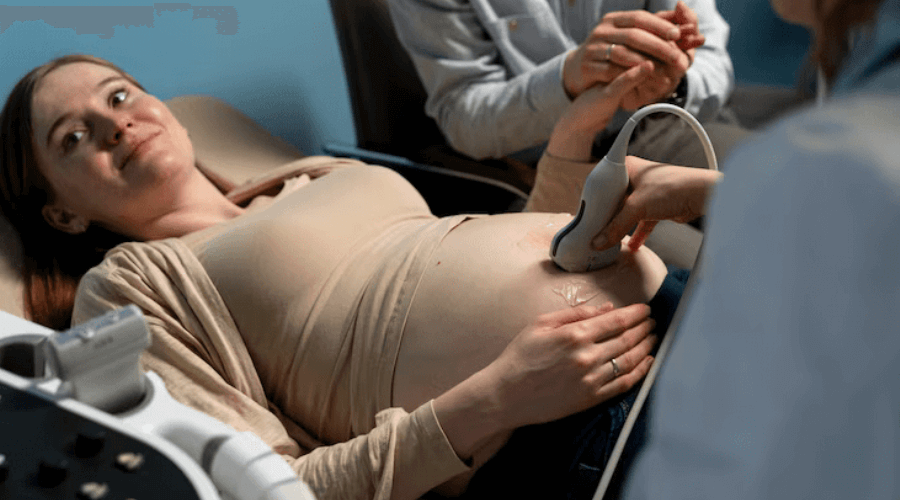
Ultrasound scans offer valuable insights into fetal growth and well-being at different stages:
Pregnant women are advised to receive certain vaccines to protect both themselves and their unborn child. These include:
Immunization helps prevent serious infections that can complicate pregnancy and harm the baby.
Aneuploidy screening involves non-invasive tests that assess the risk of chromosomal abnormalities such as Down syndrome, Edwards syndrome, and Patau syndrome. These tests are typically done in the first trimester and may be followed by more detailed diagnostic tests if needed.
Certain conditions can place a pregnancy in the high-risk category, such as:
Identifying high-risk pregnancies early allows for closer monitoring, specialized care, and better outcomes.
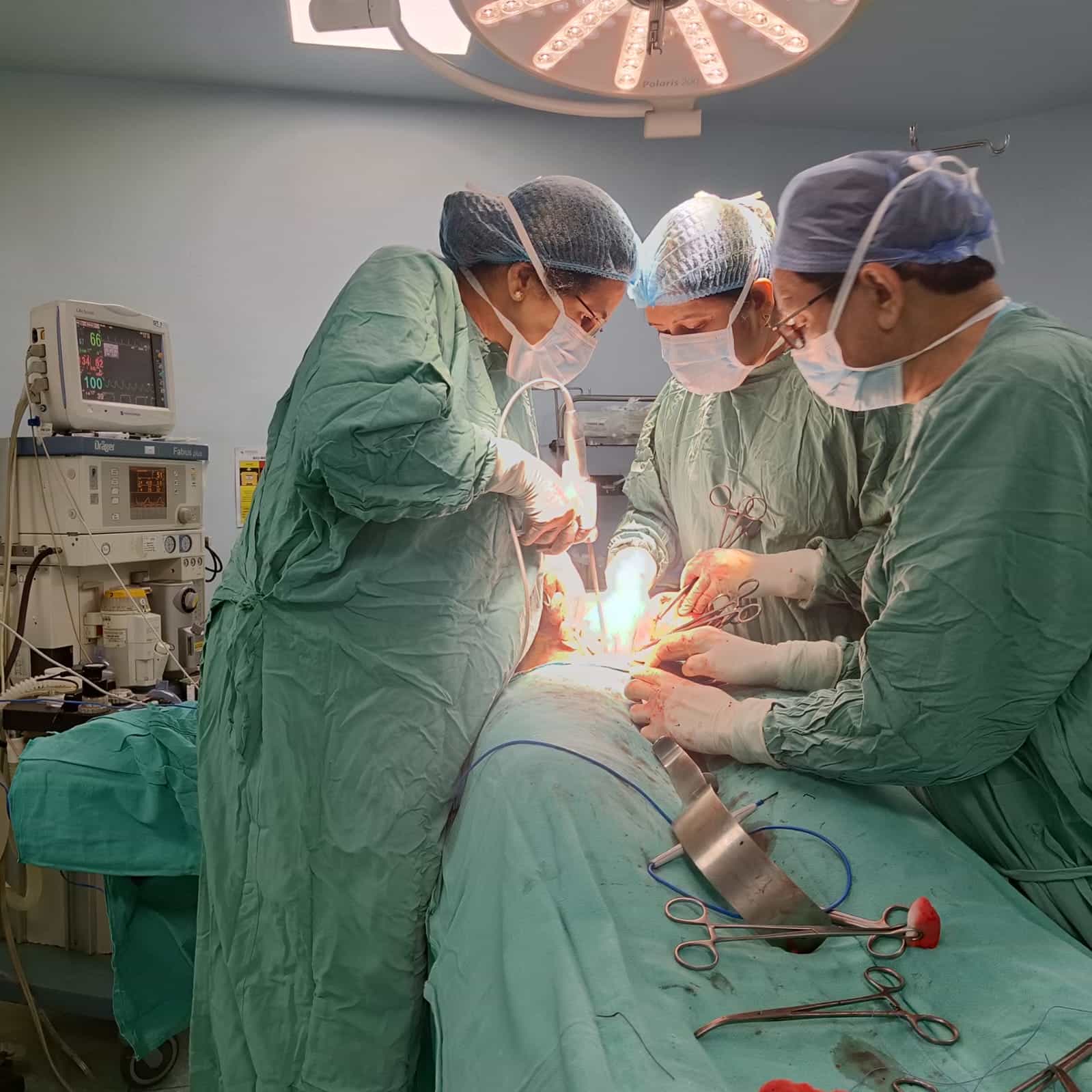
Deciding on the mode of delivery—vaginal birth or cesarean section—is based on medical indications, maternal and fetal well-being, and personal preferences when safe to do so. The goal is always to ensure the safest possible delivery for both mother and baby.
The ultimate aim of prenatal care is simple: a healthy mother and a healthy baby. By combining medical expertise with regular monitoring, lifestyle guidance, and emotional support, prenatal care helps achieve a positive birth experience and lays the foundation for a healthy life ahead.
Pregnancy may be unpredictable at times, but with comprehensive prenatal care, expectant mothers can approach delivery with confidence and peace of mind. Every step, from routine scans to tailored care for high-risk cases, contributes to the safe arrival of your little one—and your well-being is just as important in the process.
+91-9939777003